K I T E M O R T G A G E S
Specialist mortgage broker
for City professionals
We work with lawyers, investment bankers, private equity and hedge fund professionals, traders, and senior tech leaders.
We structure mortgages around complex income — bonuses, RSUs, carried interest, partnership drawings, and foreign currency. If your income doesn't fit a standard model, we know which lenders will treat it properly.
Y O U R T E A MEvery client speaks directly with an adviser who already knows how your income is assessed — and which lenders treat it most favourably
David Walsh
Director & Mortgage Broker
Founder of Kite Mortgages. Specialist in complex income structures for City professionals. Advises on mortgage strategy for high earners with partnership income, bonus-heavy pay, equity compensation, and foreign currency earnings.
View profile →
Simon Hart
Mortgage & Protection Adviser
Mortgage adviser at Kite Mortgages. Specialises in high-value purchases and remortgages for City professionals. Works with clients navigating complex income structures including variable pay, carried interest, and multi-currency earnings.
View profile →W H O W E H E L PFind your profession
We specialise in six areas where income complexity most often affects mortgage outcomes. Each has its own challenges — and we know how to navigate every one of them.
01
Lawyers & Law Firm Partners
Partnership drawings, profit share, and LLP structures assessed accurately — from NQ solicitors to Magic Circle equity partners.
Learn more →
02
Investment Banking Professionals
Bonus-heavy income treated fairly. We know which lenders will use your full bonus history — not just average it down.
Learn more →
03
Private Equity Professionals
Carried interest, co-invest, and deferred compensation require lenders who understand fund economics, not just payslips.
Learn more →
04
Hedge Fund Professionals
Performance-linked pay that varies dramatically year on year. We structure applications around your strongest provable position.
Learn more →
05
Trading & Investment Professionals
Risk-based pay, structurer income, and market-linked bonuses rarely fit standard affordability models. We know which do.
Learn more →
06
Tech & Product Leaders
RSUs, stock options, and international equity packages need specialist lender treatment — especially with USD or EUR income.
Learn more →
W H A T W E U N D E R S T A N D
We structure mortgages around complex income
Standard lenders use standard models. If your income doesn't fit the template, you borrow less than you should. We know exactly where the flexibility is — and which lenders offer it.
Variable pay
Bonuses & Commissions
Most lenders average bonuses over two or three years — but some will weight the latest year if income is trending upward. Which lender matters.
Equity compensation
RSUs & Stock Options
A handful of lenders now include vested RSUs in their affordability calculations. We know which ones, and how they treat unvested tranches.
Self-employed
Partnership Drawings
LLP equity partners are classified as self-employed, but your income is nothing like a sole trader’s. The right lender uses latest-year profit share, not a blunt two-year average.
Fund economics
Carried Interest
Carry is unpredictable, lumpy, and poorly understood by most lenders. Private banks are often the only route — and we work with several who assess it sensibly.
International
Foreign Currency Income
Earning in USD, EUR, or CHF doesn’t disqualify you, but most high street lenders either haircut the income or decline entirely. Specialist routes exist.
Multi-stream
Complex & Layered Income
When you have salary, bonus, equity, and other income simultaneously, the challenge isn’t any single stream — it’s packaging them so one lender can underwrite the full picture.
We don’t just place mortgages. We understand how your income works and which lenders will treat it fairly. That’s the difference between the right mortgage and a compromised one.
H O W I T W O R K S
From first call to completion
We keep the process simple. Most clients receive indicative figures within the first conversation.
01
Initial Consultation
We set aside up to an hour. You tell us what you’re looking to do; we give you a clear view of what’s achievable, which lenders suit your income, and what the numbers look like.
02
Document Review
We request the documents lenders need — payslips, SA302s, bonus letters, RSU schedules — and review everything before submission so there are no surprises.
03
Lender Selection
We match your income structure to the lender who’ll treat it most favourably. The right lender can mean hundreds of thousands more in borrowing power.
04
Application Management
We manage the full application, liaise with the lender and solicitors, and keep you updated at every stage. Same-day responses, no chasing required.
C L I E N T R E V I E W S
What our clients say
★★★★★
“Kite Mortgages were brilliant from start to finish. With most of my income being bonus-based, David knew exactly which lenders would treat it properly and secured a great deal on a tight timeline.”
Thomas Forrow
Managing Director, Jefferies
★★★★★
“As a partner in a law firm, it was important to have someone who understands the intricacies of our income. David understood the structure and secured a competitive rate in good time.”
Margot Berry
Corporate M&A Partner, White & Case LLP
★★★★★
“During a difficult purchase, David was everything we needed from a mortgage broker. Clear advice, fast responses, and he guided us through the entire process without a single issue.”
Michael Lubacz
Director of Product & Marketing
★★★★★
“I highly recommend David and his team. As a General Counsel, in the process of selling one property while re-mortgaging another, while also starting a family and renovating a home, it was important to have an adviser who would consider the best structure for our family. Dave was that person.”
Tess Bridgman
General Counsel & Company Secretary, Cory
★★★★★
“We couldn’t be more impressed with the service from David Walsh! He stepped in and handled everything with incredible speed and professionalism, making what could have been a stressful process completely seamless.”
Angelina Severino
Group Design & UX Lead, Lebara
★★★★★
“David has been great. He was very responsive, he found the right deal, and he helped me successfully navigate a few curveballs on the journey!”
Mark Drury
Partner, Capital Markets, Reed Smith
★★★★★
“David was a calm, extremely knowledgeable and very reliable voice throughout what was a complicated and unfamiliar process. I would recommend him without hesitation.”
Daniel Terrett
Co-Founder, ODIN Space
★★★★★
“My experience of working with David was first rate. He is a total professional — always available, responsive and very knowledgeable in his field.”
Max Rockall
International Disputes Partner
★★★★★
“I was put in touch with Simon Hart at Kite Mortgages by my estate agent. Super responsive, incredibly knowledgeable, and made the whole mortgage process straightforward.”
Sandra Schmidt
Global Head of BDR, Kontent.ai
C A S E S T U D I E SRecent client outcomes

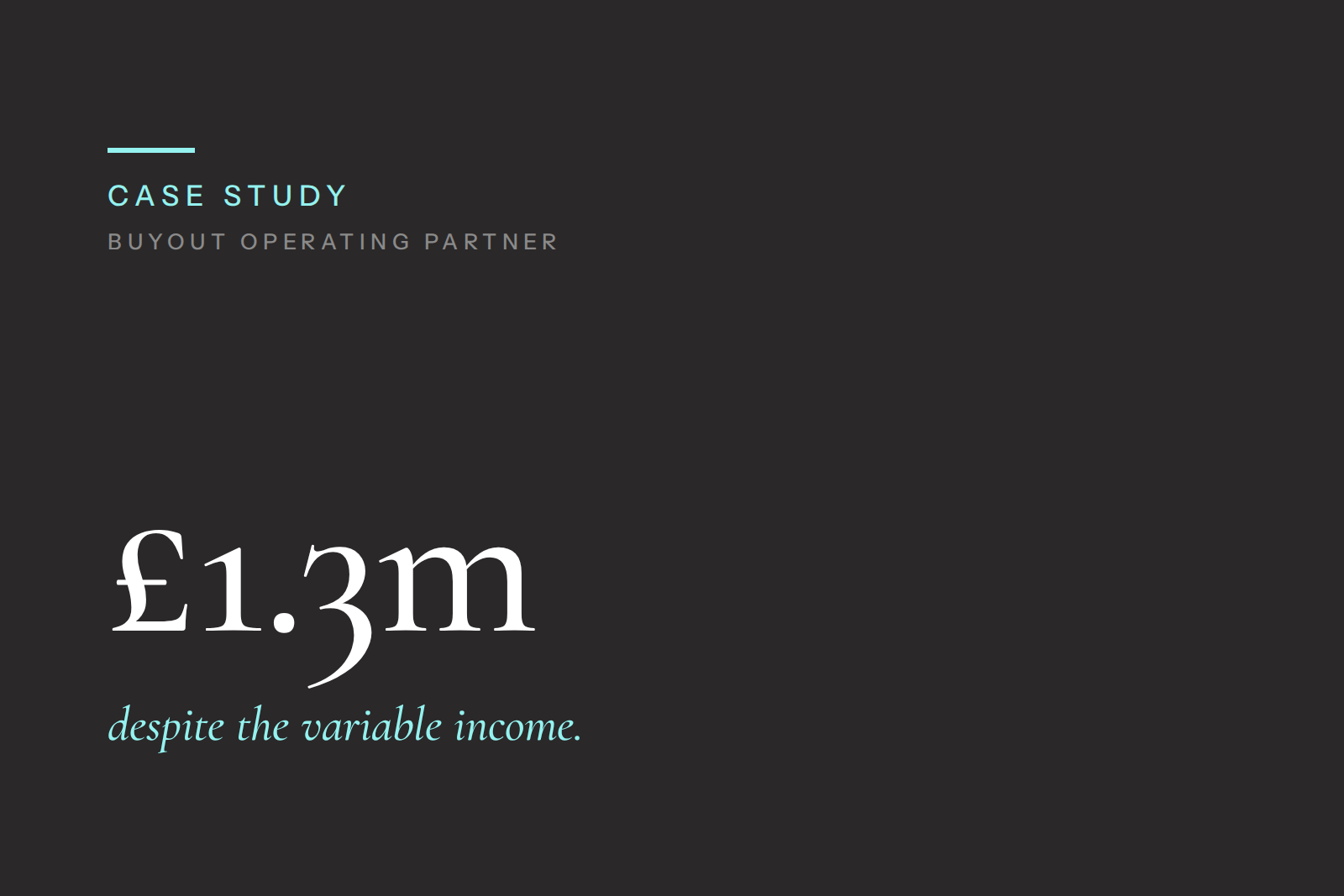
An investment banking Director secured a £990k mortgage on a £1.1m London flat at 90% LTV using multi-year bonus income. This case study shows how bonus averaging supported borrowing while retaining funds for property works.
A private equity VP secured a £1.9m mortgage on a £2.4m family home using salary and bonus income. This case study shows how part interest-only structuring and a five-year product aligned borrowing with future carry payments.
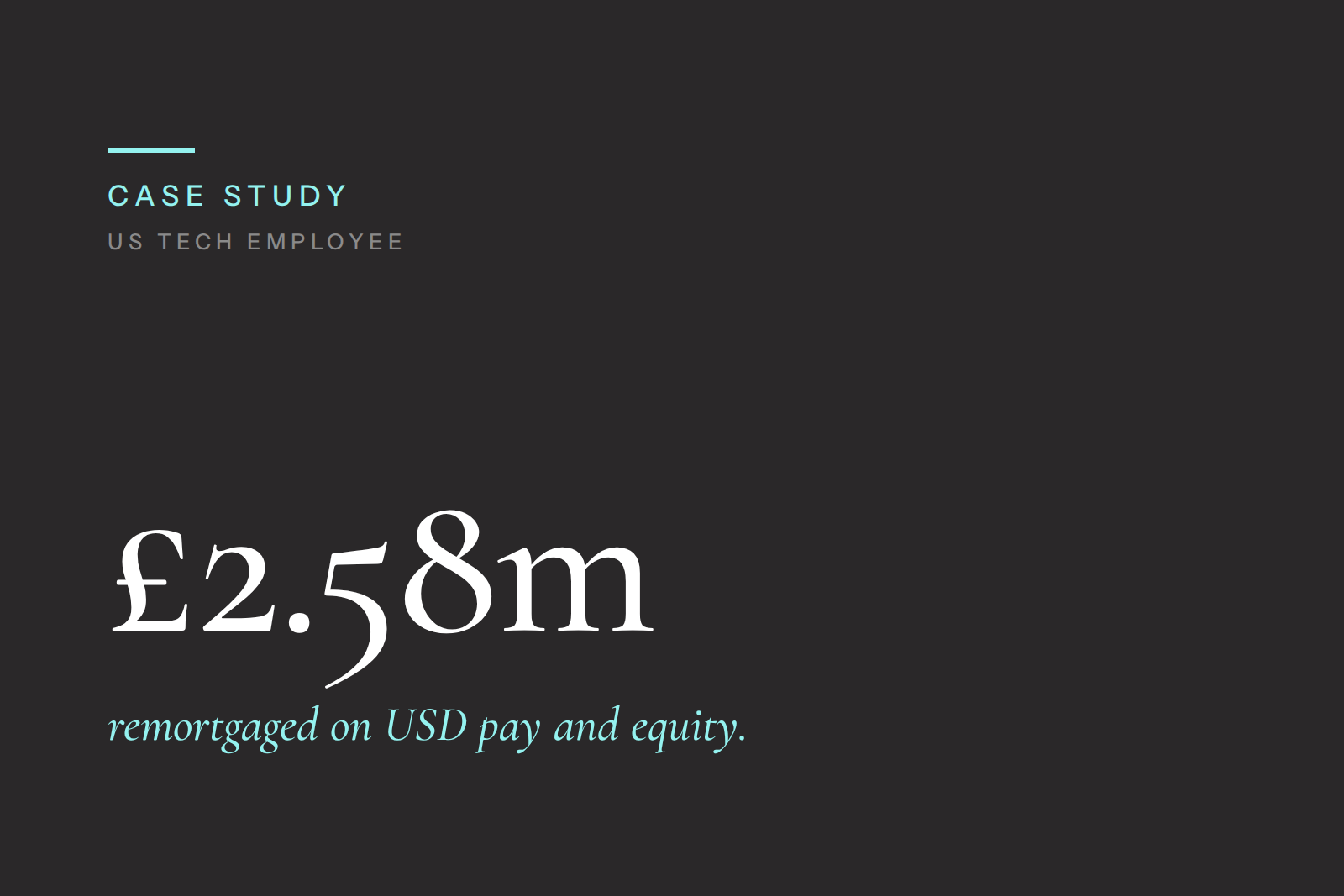
A UK-based employee of a US technology firm secured a £2.58m remortgage using USD salary, bonus, and RSUs. This case study explains how equity compensation and foreign currency income were assessed through a private banking solution.
An equity partner at a City law firm secured a £1.55m mortgage on a £1.85m family home using LLP income. This case study shows how part interest-only structuring supported affordability during a period of higher household costs.
A fixed-income trader secured a £1.5m mortgage on a £2.1m purchase using bonus-led income. This case study explains how lender selection and income structuring supported affordability despite restrictive bonus caps.
A senior finance professional returning from Singapore secured a £950k UK mortgage on a £1.45m London apartment using overseas USD income. This case study explains how foreign currency income was assessed ahead of UK relocation.
An established equity partner at a UK law firm secured a £2.25m family home using fixed drawings and partnership profit share. This case shows how lender selection and part interest-only structuring supported uneven income and long-term affordability.
HNW client, strong liquid assets but modest declared income, needed £3m for a £5m townhouse. We placed assets under management, built an asset-based underwrite and used an investment portfolio as the repayment plan—securing a bespoke interest-only facility at 60% LTV.
Newly qualified solicitor on £110k, buying a £750k flat while in probation. We targeted a lender that may accept a signed contract and start date, leveraged a strong deposit, and packaged the case cleanly—securing an offer before probation completed.
Locum consultant doctor with £140k mixed NHS/private income secured a £770k mortgage on a £1.2m home. We used 12–24 month averaging, full contract history and locum-friendly criteria to align with a mainstream lender—delivering a clean, timely approval.
Director–shareholder, £60k salary and £120k retained profits, needed £1m borrowing without ramping dividends. We targeted a lender that may use salary + share of net profit, evidenced sustainability, and explained a one-off expense—achieving approval at an effective 5× multiple.
Management consultant contractor on £650/day (PSC), two-month gap, and IR35 scrutiny. We used day-rate modelling, a credible gap narrative, and an accountant’s letter to align with mainstream policy—achieving approval at 75% LTV on a £1.1m home.
Returning British expat paid in USD, thin UK credit, and a 60-day deadline. We secured a lender that accepts foreign income with a haircut, used a US credit report, and ran a pre-arrival application—agreeing the mortgage at 65% LTV on a £1.6m home.
Skilled Worker and Spouse visa clients, £160k income, <18 months in the UK, needed a fast new-build purchase at £800k. We shortlisted a lender comfortable with shorter residency, secured a rapid AIP, perfected the AML trail—and achieved a full offer inside 10 working days.
A senior software engineer on £95k with quarterly RSU vesting bought a £900k house. By averaging 12–24 months of vested RSUs and packaging award letters, brokerage statements and payslips, we evidenced sustainable equity income—resulting in approval with a part interest-only structure.
An investment banking associate on £120k base with a USD bonus needed 75% LTV on a £1.25m flat. We used a two-year average bonus, applied a foreign currency haircut, and built a strong evidence pack—resulting in c.5.2× income and a successful offer.
A City lawyer and LLP partner with £420k variable profit share bought a £2.1m London family home at 60% LTV. We targeted a lender that may average three years’ profits, clarified the capital account, and structured part interest-only with an evidenced repayment plan.
With renewals and short gaps, this IT contractor needed day‑rate treatment. We evidenced continuity, explained the gaps, and matched them with a lender that assesses on day‑rate—securing borrowing aligned to realistic annualised earnings.
A newly qualified solicitor with limited employment history needed clarity and pace. We used her offer letter and first payslips, applied professional‑criteria know‑how, and packaged a clean, conservative case—helping a mainstream lender say yes without over‑promising.
Briefs, arrears, and variable fee sheets—this barrister’s earnings were anything but tidy. We evidenced sustainability and secured a suitable mortgage at pace—without over‑promising.
A senior partner had to choose between a private bank and a high‑street lender for £2m. The private bank’s full interest‑only structure won—keeping monthly payments steady and letting annual profit share reduce the balance without hassle.
A newly made‑up equity partner needed a high‑value mortgage against uneven drawings and profit share. We evidenced sustainability, clarified tax and capital contributions, and matched them with a lender that considers partner income—without overstretching.
An IT Sales Director and Teacher with two children needed £800k to upsize to a £1.2m home. We secured 5.5x income using 100% of bonuses and structured part of the loan on interest-only — keeping monthly payments affordable with a plan to reduce the balance using future bonuses.
A UK expat returning from Dubai secured an £800k mortgage using their UK employment contract. By avoiding the need to rent first, they moved straight into their new home — making their transition back to the UK smooth and stress-free.
A newly qualified legal associate and their partner, both first-time buyers, used 60% of a single year’s bonus to boost borrowing by £175k. This transformed their options, allowing them to buy a flat with a second bedroom and a garden instead of compromising on space.
I N S I G H T SLatest articles

Buying your first UK home after years overseas combines two profiles lenders rarely see together — first-time buyer and returning expat. Standard FTB rates and 95% LTVs are still on the table, but only at the right lender, and only if your credit, currency, and SDLT position have been read correctly before submission.
Your total compensation and your assessed income are rarely the same number. For City professionals, the gap between what you earn and what a lender will count — and at what percentage — is often the difference between the mortgage you want and the one you're offered.
RSUs can significantly increase what you're able to borrow — but most mainstream lenders either exclude them or apply steep discounts. The lender you choose, and how your equity income is packaged, can make a difference of hundreds of thousands of pounds in borrowing power.
Loan sizes in seven figures need a different conversation. This guide covers how private banks and specialist lenders actually underwrite HNW cases — asset-based affordability, AUM, interest-only structuring, and complex income — plus how to know which route is right for your profile.
The rate on a professional mortgage is often identical to a standard deal. The difference shows up in how much you can borrow, how lenders treat variable income, and which structures they'll offer. That gap can be worth far more than a few basis points.
As an LLP partner you're treated as self-employed by every mainstream lender, even when your income is more reliable than most PAYE roles. Some lenders default to needing two years of tax calculations — others will lend on day one of partnership. The difference can be hundreds of thousands in borrowing power.
Mortgage affordability for markets professionals often extends beyond payslips and P60s. This article explains how lenders assess bonus-led and complex income, and why documentation alone rarely tells the full story.
Private equity income rarely fits standard mortgage models. This article explains why salary, bonus, and carry are treated differently by lenders and when specialist mortgage structuring is often required.